Best Handhelds for Game Boy Advance Emulation
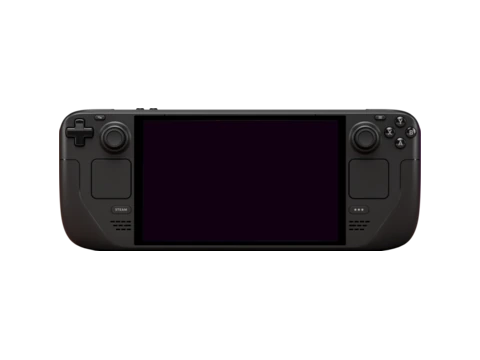
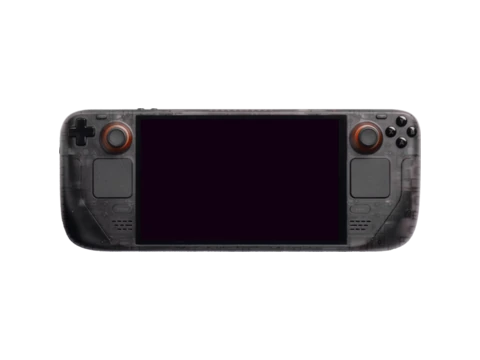
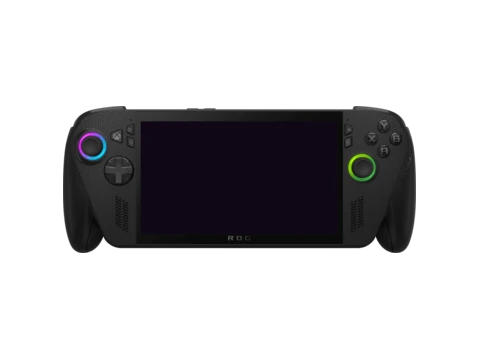
Game Boy Advance emulation runs well on almost any modern handheld, so this list of 40 devices is aimed at buyers who want to find the right balance of price, size, and extra capability rather than simply the most powerful option available. Every pick here handles Game Boy Advance titles reliably, but they differ significantly in what else they can do: entry-level devices like the $65 Anbernic RG-35XX SP and the $70 Miyoo Mini Plus keep costs low while still reaching Dreamcast and Nintendo DS emulation respectively, whereas high-end options like the Valve Steam Deck ($399–$649) extend the ceiling all the way to Wii U, giving buyers headroom well beyond the Game Boy Advance library if their needs grow.
The HandheldWiki Take
The Chipset Bottleneck
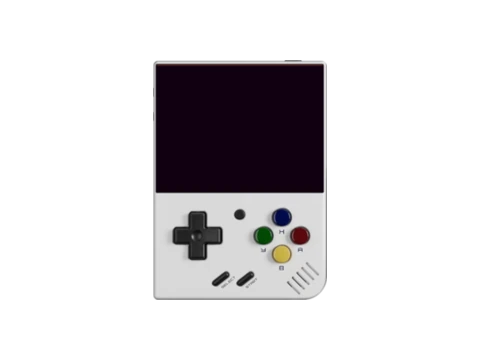
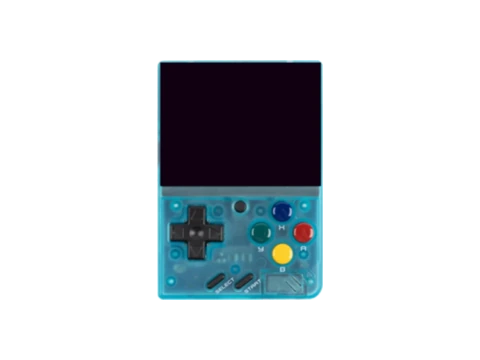
Game Boy Advance is effortless for any device on this list — the $70 Miyoo Mini Plus runs it as happily as the Steam Deck. The chip is irrelevant; mGBA is light enough that even the weakest entry silicon delivers a perfect, full-speed experience. Your decision is entirely about form, screen and price.
Display Realities
GBA is 3:2 at 240×160 — a small, specific aspect ratio. A 4:3 IPS with good integer scaling frames it cleanly; the goal is sharp, evenly-scaled pixels, not a big panel. The Mini Plus's screen is a near-perfect match.
Firmware & Software Reality
mGBA via RetroArch or CFW (muOS, OnionOS, Knulli) is flawless and plug-and-play. GBA is the most trouble-free system in all of emulation — there is genuinely nothing to tune.
Ergonomics & Build
A good D-pad and comfortable shell are all that matter — no sticks needed. This is where small, pocketable verticals and clamshells shine; it's the purest "fits in a jacket pocket" use case.
The Verdict — Price-to-Performance
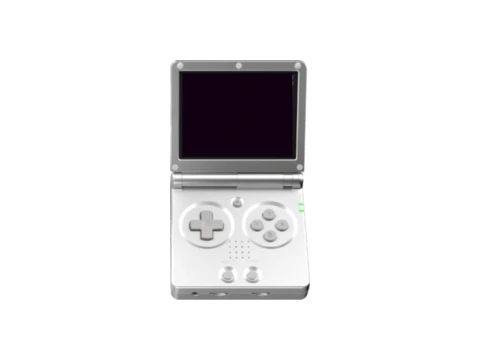
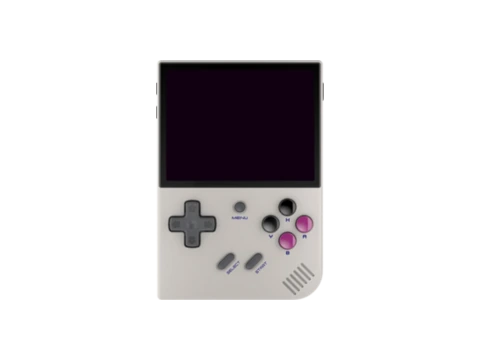
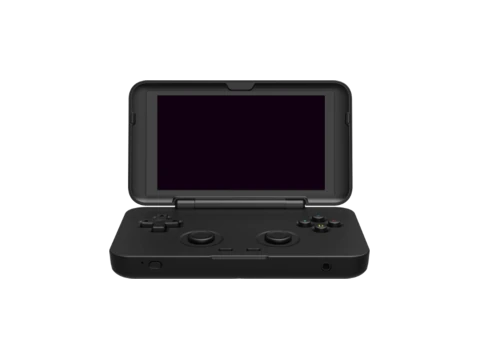
The Miyoo Mini Plus ($70) is the ideal GBA handheld, full stop — pocketable, beautiful screen, perfect emulation. The RG-35XX SP ($65) is the clamshell alternative. Spending more buys you other consoles, not a better GBA experience — for GBA alone, cheap and well-made wins.