Best Handhelds for GameCube Emulation
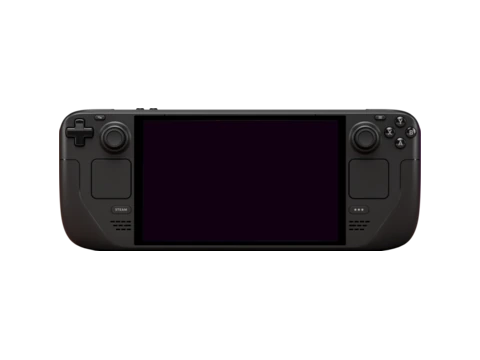
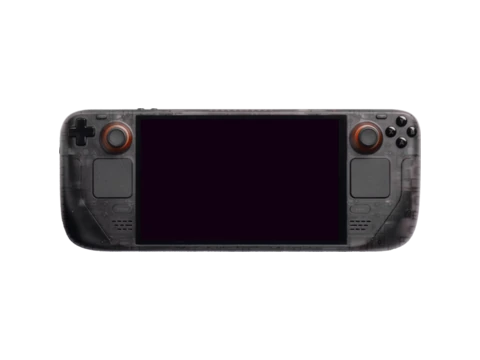
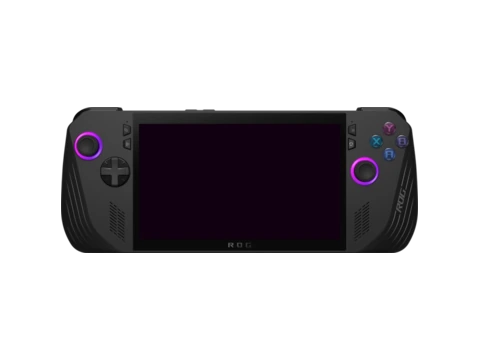
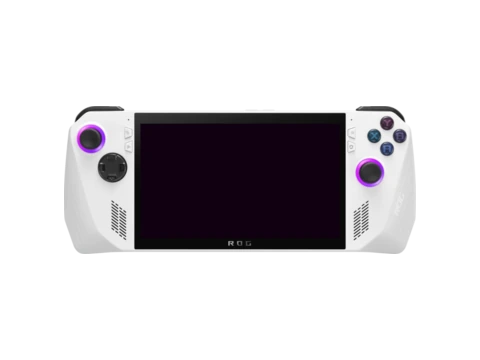
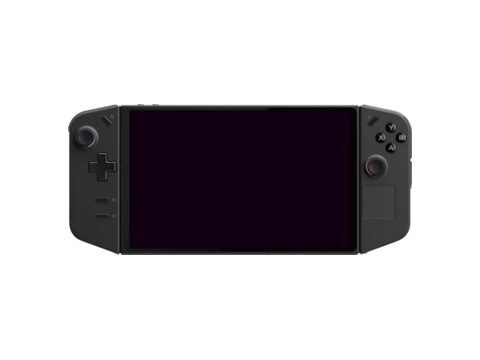
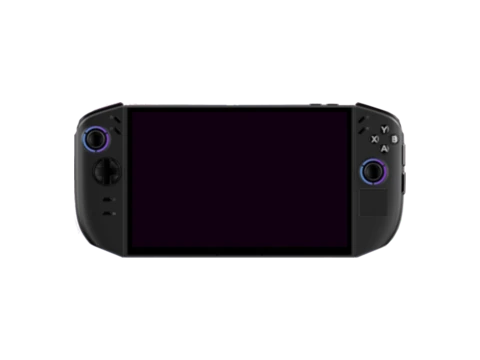
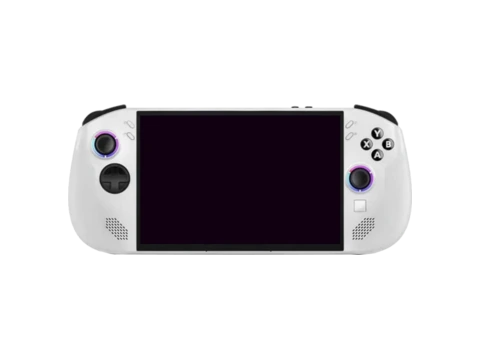
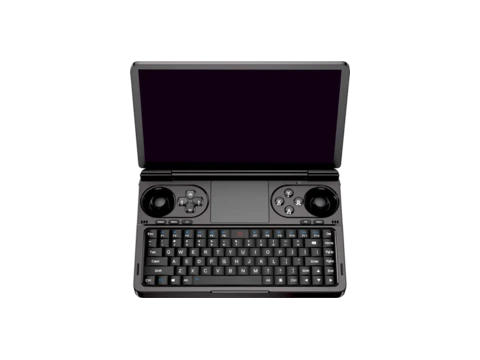
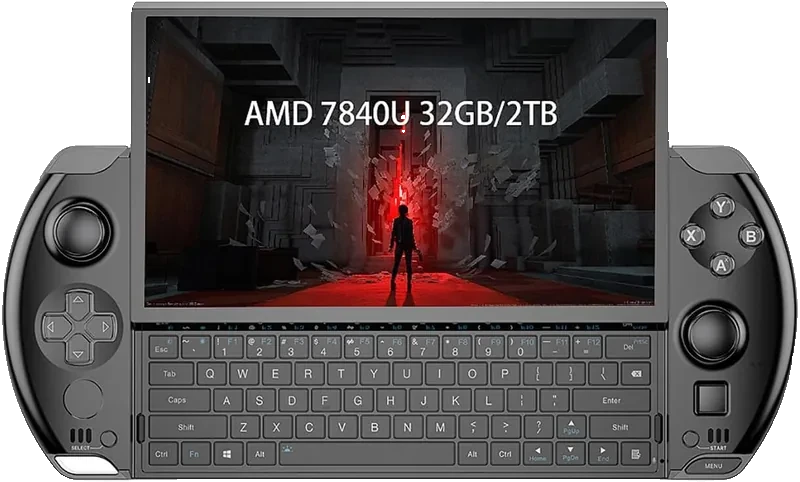
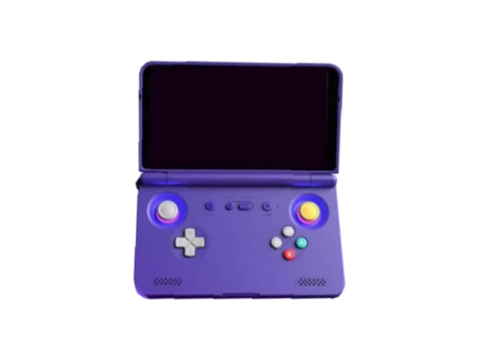
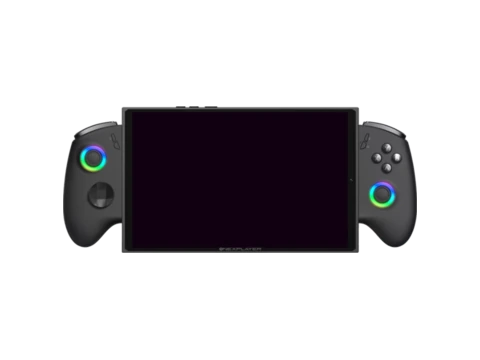
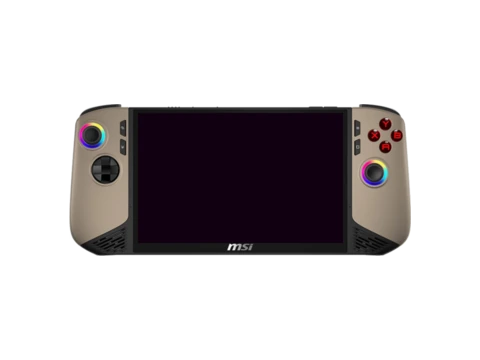
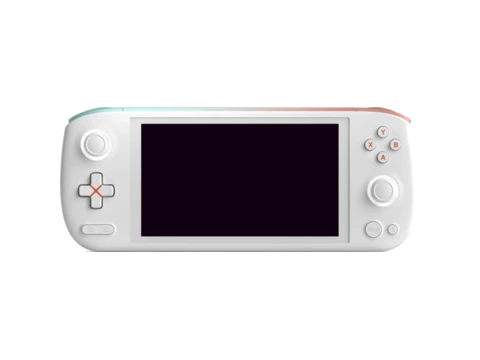
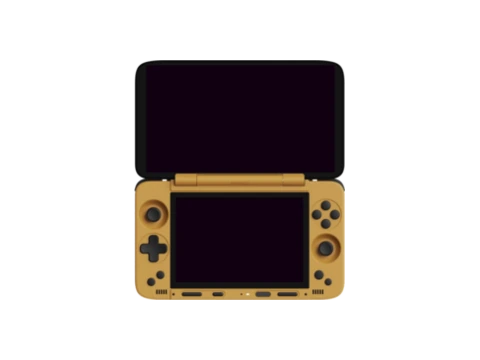
GameCube emulation demands more processing power than most retro handhelds can deliver, so this list focuses on devices that handle it reliably rather than those that merely attempt it. All 40 picks have been evaluated for their ability to run GameCube titles at playable framerates, and the stronger entries — such as the Valve Steam Deck ($399–$649) and the AYN Technologies Odin 2 ($299–$449) — push well beyond GameCube to emulate later systems too. Whether you want a purpose-built Android handheld or a full PC-based device like the Asus ROG Ally X ($799), this guide helps you match your budget and performance expectations to the right hardware.
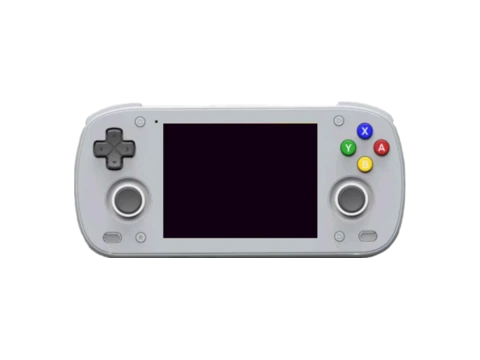
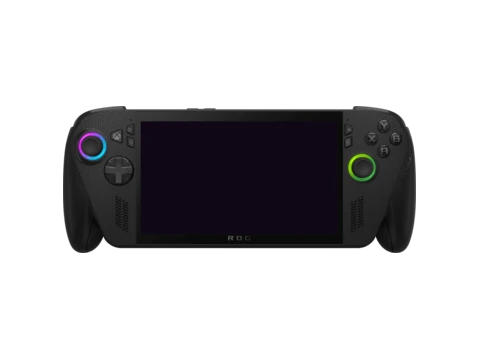
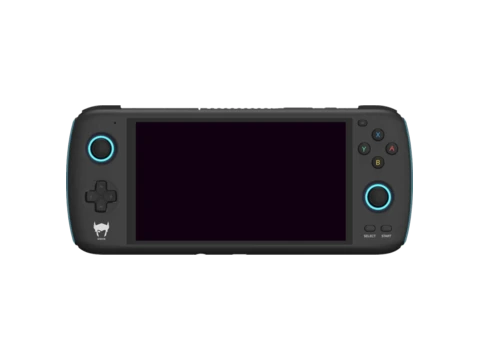
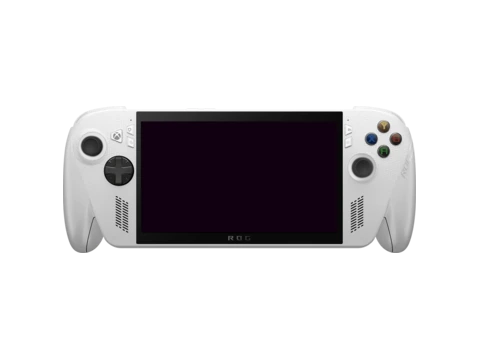
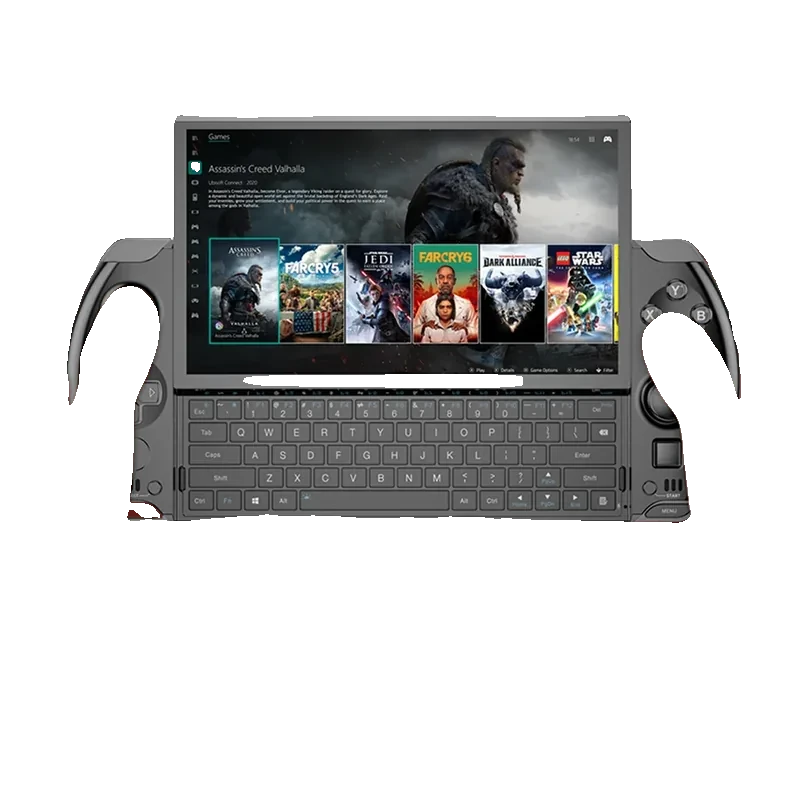
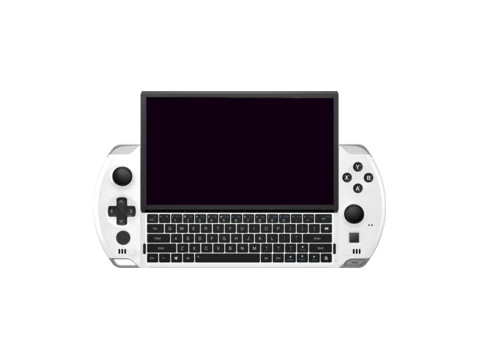
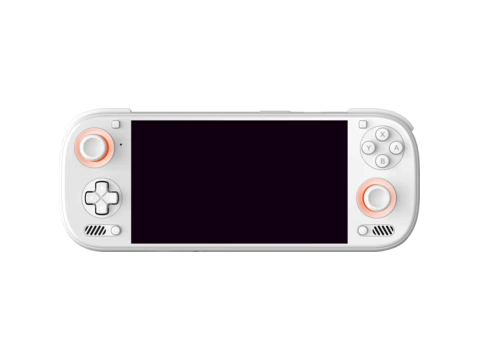
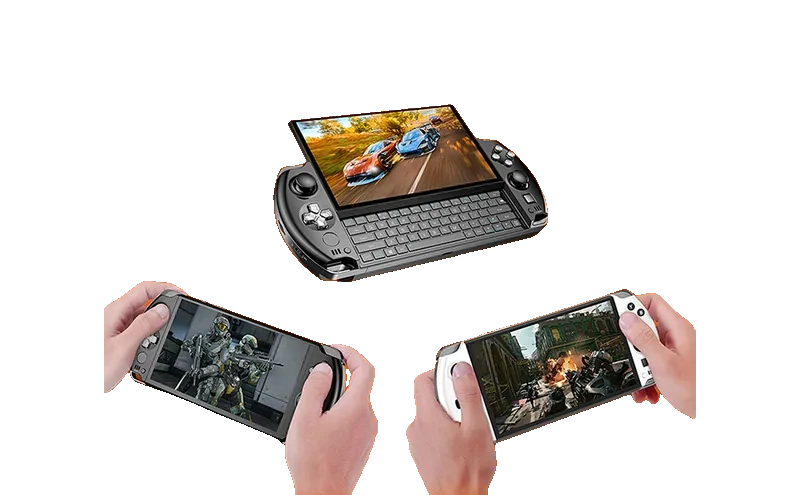



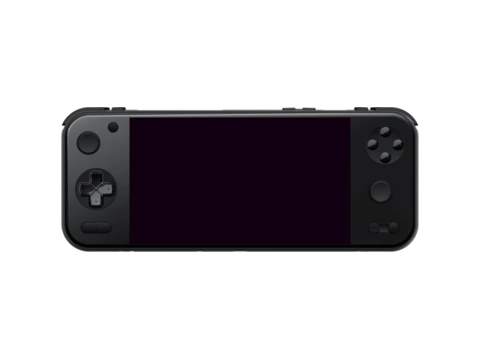
The HandheldWiki Take
The Chipset Bottleneck
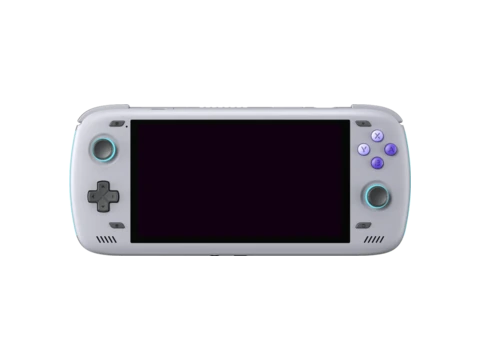
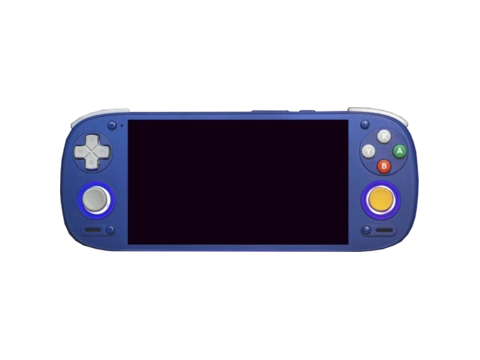
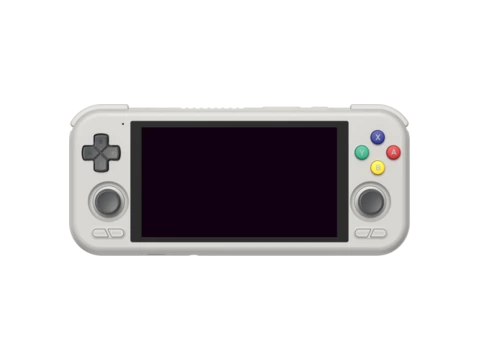
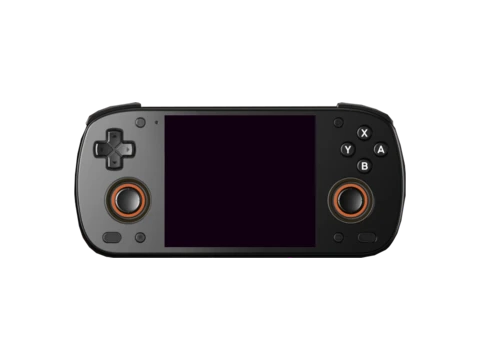
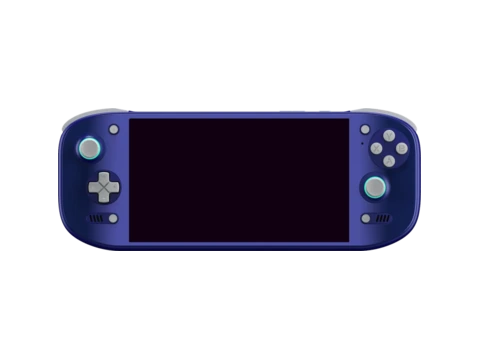
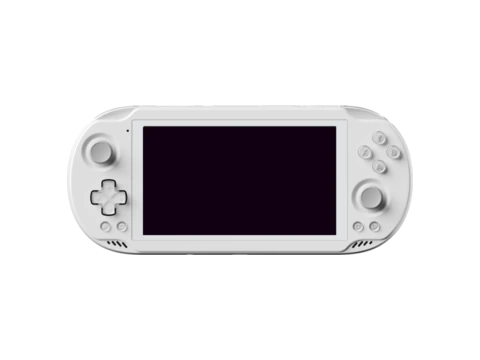
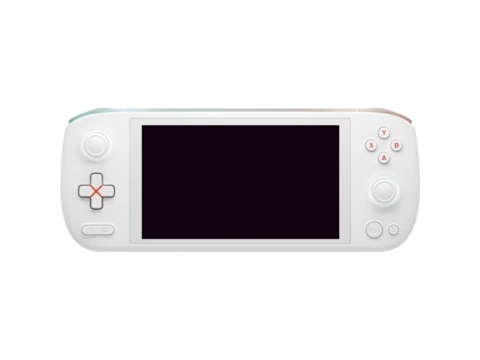
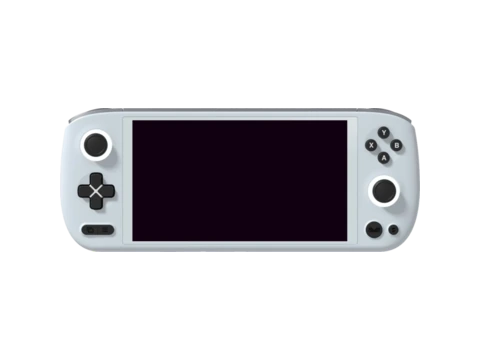
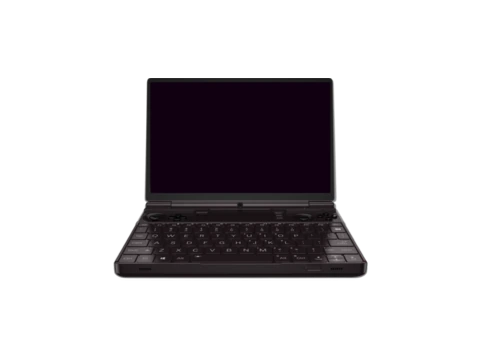
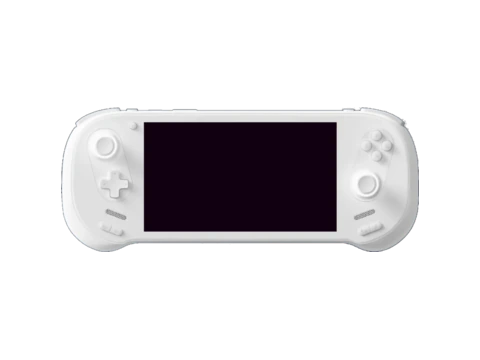
GameCube (Dolphin) is a real test. You need a strong mid-range Android chip — the MediaTek Dimensity 1100 (Retroid Pocket 4 Pro), Snapdragon 865 (Retroid Pocket 5) or Snapdragon 8 Gen 2 (Odin 2) — or any x86 handheld. The 865 and Dimensity 1100 handle a large share of the library; the 8 Gen 2 and x86 devices handle the demanding outliers (think the heavier first-party 3D games).
Display Realities
GameCube is 4:3 natively. A 16:9 panel will pillarbox unless you stretch (don't). The screen matters less than raw GPU here — Dolphin's internal resolution scaling is where the power goes.
Firmware & Software Reality
Dolphin on Android is mature but per-game tuning (and the right backend — Vulkan vs. OpenGL) still matters. Expect to research a few problem titles rather than assuming universal full speed.
Ergonomics & Build
Dual sticks and good triggers are non-negotiable for GameCube's library. The Odin 2 and Retroid Pocket 5 both deliver; the Pocket 4 Pro is the value option with the right controls.
The Verdict — Price-to-Performance
The Retroid Pocket 4 Pro ($199) is the value entry point to GameCube; the Retroid Pocket 5 ($199–$225) is the better all-rounder for the price. If you want near-universal Dolphin performance without fuss, step up to the Odin 2 ($299) or an x86 Steam Deck.